




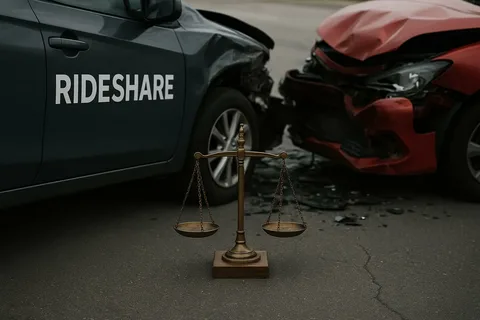
Rideshare platforms have made getting around Dallas easier than ever. Whether traveling to a corporate office, a sporting event, or the airport, Uber and Lyft provide quick access across the city. However, when a rideshare vehicle is involved in an accident, what follows is rarely simple.
Unlike traditional car crashes, rideshare collisions often involve corporate insurance policies, app-based driver activity, and multiple potentially responsible parties. For injured passengers and motorists, understanding this structure is essential. A Dallas Rideshare Accident Attorney can help untangle these layers and protect your right to compensation.
Why Rideshare Accident Claims Are Different
In a typical auto accident, liability generally involves the drivers and their personal insurance providers. Rideshare cases introduce an additional factor: conditional corporate coverage that depends on the driver’s app status.
Insurance coverage usually depends on three phases:
- Driver Offline: Personal auto insurance applies.
- App On, Waiting for a Ride: Limited liability coverage may be available.
- Ride Accepted or Passenger Onboard: Higher commercial insurance limits are typically triggered.
Determining which phase applied at the time of impact can significantly affect the value of a claim.
The Importance of Establishing App Status
The timing of a ride matters. Insurance companies often examine:
- When the driver logged into the app
- When the ride was accepted
- Whether the passenger had been dropped off
- GPS tracking data
Digital trip logs can play a critical role in determining which insurer is responsible. Because electronic data may not be stored indefinitely, acting quickly is often essential.
Common Causes of Rideshare Crashes in Dallas
Dallas traffic conditions present unique risks, especially in high-demand areas such as Downtown, Uptown, and near major venues. Some common contributing factors include:
- Distracted driving from navigation apps
- Sudden stops in congested pickup zones
- Driver fatigue from long hours
- Heavy highway traffic
- Rapid lane changes
These conditions can lead to serious accidents affecting passengers, other motorists, pedestrians, and cyclists.
Injuries That May Result From a Rideshare Collision
Victims of rideshare accidents may experience injuries such as:
- Neck and back strain
- Concussions
- Fractures
- Internal injuries
- Soft tissue damage
- Emotional distress
Even moderate collisions can create long-term medical and financial consequences.
What Compensation May Be Available?
A rideshare accident claim may include compensation for:
- Medical expenses
- Rehabilitation and therapy
- Lost wages
- Reduced future earning capacity
- Property damage
- Pain and suffering
A comprehensive evaluation ensures that both current and future financial impacts are considered.
Why Legal Representation Can Make a Difference
Insurance companies may attempt to minimize payouts or dispute coverage in rideshare cases. A Dallas Rideshare Accident Attorney can:
- Conduct a thorough investigation
- Preserve digital ride data
- Identify all liable parties
- Negotiate with insurers
- Pursue litigation if necessary
Experienced representation can help level the playing field when dealing with corporate insurers.
Acting Within Texas Legal Deadlines
Texas law sets strict time limits for filing personal injury claims. Missing these deadlines can permanently prevent recovery. Early legal consultation helps protect your rights and preserve important evidence.
Taking the Next Step After a Rideshare Accident
While rideshare services provide convenience across Dallas, accidents can leave victims facing medical bills and lost income. Understanding how layered insurance policies and liability rules apply is key to pursuing fair compensation.
If you have been injured in a rideshare crash, consulting a knowledgeable Dallas Rideshare Accident Attorney can help you move forward with clarity and confidence.
