




Chronic back pain, sciatica, and herniated discs can feel like an endless cycle of discomfort and limited mobility.
For many in the United States, the search for relief often leads to a crossroads between temporary fixes like medication and the daunting prospect of invasive surgery.
However, a highly effective middle ground has emerged: Non-Surgical Spinal Decompression Therapy.
This guide explores how this specialized treatment works, what the latest data says about its efficacy, and how you can determine if it is the right path for your recovery.
Understanding Spinal Decompression
Non-Surgical Spinal Decompression is a motorized traction therapy designed to relieve pressure on the spine.
Unlike traditional traction used decades ago, modern decompression systems use advanced computer technology to bypass the body’s natural muscle guarding response. This allows for a gentle, rhythmic stretching of the spine.
The primary goal is to create “negative intradiscal pressure.” When the spine is gently lengthened, it creates a vacuum effect within the disc.
This can help retract bulging or herniated disc material back into place, taking pressure off pinched nerves and promoting the flow of nutrient-rich fluids, oxygen, and water into the disc to facilitate natural healing.
The Impact of Back Pain in the U.S.
The need for effective, non-invasive solutions has never been higher. According to the Health Policy Institute at Georgetown University, nearly 65 million Americans report a recent episode of back pain, and approximately 16 million adults experience persistent or chronic back pain that limits their daily activities.
Furthermore, the economic burden is staggering. Back pain is one of the leading reasons for missed work days and is a primary driver of healthcare costs in the U.S., with expenditures reaching billions of dollars annually.
With the rising concerns over opioid dependency and the high costs and recovery times associated with surgery, more patients are seeking evidence-based alternatives like Non-Surgical Spinal Decompression Therapy.
Is This Therapy Right for You?
Spinal decompression is specifically engineered to treat conditions that result from disc compression and nerve impingement. You might be an ideal candidate if you are struggling with:
- Herniated or Bulging Discs: When the soft center of a spinal disc pushes through the tougher exterior, irritating nearby nerves.
- Sciatica: Sharp, shooting pain that travels from the lower back down through the legs.
- Degenerative Disc Disease: Wear and tear on the spinal discs that occurs with age.
- Posterior Facet Syndrome: Worn spinal joints that cause localized back pain.
- Spinal Stenosis: A narrowing of the spaces within your spine, which can put pressure on the nerves.
While the therapy is safe for most, it is generally not recommended for pregnant women, individuals with advanced osteoporosis, or those with certain spinal implants (like metal plates or screws).
What to Expect During Treatment
One of the greatest benefits of this therapy is that it is entirely non-invasive and painless. In fact, many patients find the sessions so relaxing that they fall asleep.
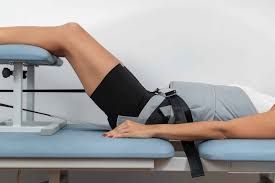
During a typical session, you remain fully clothed and lie on a specialized table. Depending on whether your pain is in the neck (cervical) or lower back (lumbar), a harness is fitted around your body. The clinician inputs specific parameters into the computer system based on your diagnosis and comfort level.
A standard treatment plan often involves 15 to 25 sessions over several weeks. This frequency is necessary because the healing process is cumulative; each session builds on the last to slowly restore disc health and spinal alignment.
Why Choose a Non-Surgical Approach?
Choosing a non-surgical route offers several distinct advantages:
- Zero Downtime: Unlike surgery, which requires weeks or months of restricted activity, patients can usually return to their daily routines immediately after a decompression session.
- No Medication Dependency: This therapy addresses the root cause of the pain rather than masking symptoms with painkillers.
- Cost-Effective: When compared to the high cost of surgical procedures and hospital stays, decompression is a much more accessible financial option.
Moving Toward a Pain-Free Life
Living with chronic pain can be exhausting, but it does not have to be permanent. By combining advanced technology with a holistic understanding of spinal health, Non-Surgical Spinal Decompression Therapy provides a bridge to recovery for thousands of Americans every year.
If you are tired of “managing” pain and are ready to start healing, consulting with a wellness professional to see if you qualify for decompression is the first step toward reclaiming your mobility and your quality of life.
