




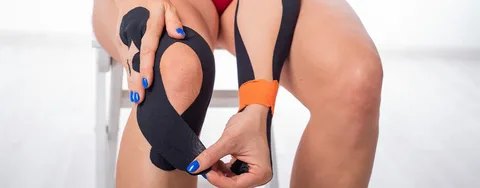
Pain and performance are two major concerns for athletes, active individuals, and people recovering from injury. Whether it’s pain from overuse, muscle strain, or the desire to move more effectively during sport or exercise, many are turning to kinesio taping as an adjunctive tool.
According to research registered with ClinicalTrials, studies are actively investigating how Kinesio taping affects pain, posture, balance, and mobility—suggesting growing scientific interest in its potential role in physical function and recovery.
Kinesio taping, sometimes called therapeutic or elastic tape, is a method of applying tape to muscles and joints with the aim of supporting tissue, enhancing proprioception (the body’s sense of movement and position), and potentially reducing pain without restricting mobility.
While opinions vary among clinicians and researchers, many practitioners include Kinesio taping as part of comprehensive care for musculoskeletal pain and performance enhancement.
What Is Kinesio Taping?
Kinesio taping was developed in the 1970s by Dr. Kenzo Kase, a chiropractor who wanted a taping method that offered support and pain relief without limiting the body’s natural range of motion. Unlike traditional rigid athletic tape—used mainly to immobilize joints—Kinesio tape is elastic and designed to mimic the elasticity of human skin. When applied correctly, it can stretch with movement, remaining in place for several days to support ongoing activity without interrupting daily tasks.
Proponents suggest several mechanisms by which Kinesio taping is believed to work:
- Sensory feedback enhancement — By stimulating skin receptors, the tape may help the nervous system adjust movement patterns and improve proprioception.
- Pain modulation — Taping may reduce pain signals reaching the brain by activating non-painful sensory pathways.
- Support without restriction — The elasticity provides supportive tension while permitting full motion, which can be helpful during exercise or rehabilitation.
Even though some clinicians believe the tape improves circulation and lymphatic flow by “lifting” the skin slightly, evidence for this mechanism is not definitive.
Pain Relief: What the Evidence Says
Research on Kinesio taping and pain relief has grown over the past decade. While the science is mixed, several studies and reviews show that the tape may have short-term benefits for pain reduction, especially when used as part of a broader treatment plan:
- A systematic review and meta-analysis found that Kinesio taping applied across various regions of the body significantly reduced pain and disability both within the first five days and after four to six weeks of use, compared with minimal intervention.
- Experimental research showed that low-tension Kinesio taping applied on the skin significantly reduced pressure-evoked muscle pain compared with no tape, indicating a possible immediate pain-modulating effect.
- A healthcare professional survey reported that many clinicians use the technique for pain modulation and proprioceptive feedback, and most reported that their patients experienced perceived pain relief.
However, not all evidence points to dramatic effects. Some reviews have concluded that results are inconsistent and often modest at best, especially compared with placebo taping or other therapeutic techniques. This suggests that while many people experience pain relief with Kinesio taping, the underlying mechanism may not be fully understood and could involve a psychological component in some cases.
Overall, evidence supports the idea that Kinesio taping is most effective as an adjunct—used in combination with exercise, manual therapy, and other rehabilitation techniques rather than as a standalone solution.
Performance and Functional Benefits
Kinesio taping isn’t just about pain. Many athletes use it because they believe it can support performance and functional movement without restricting flexibility:
1. Enhanced Proprioception and Movement Awareness
By stimulating sensory receptors in the skin, kinesio tape may help athletes and patients better sense their body position and movement. This enhanced proprioception can contribute to improved movement efficiency and potentially reduced injury risk.
2. Support During Activity
Because Kinesio tape doesn’t limit the range of motion, it can be worn during high-intensity activities to provide mild support to muscles and joints. This aspect makes it a popular choice among runners, cyclists, and team-sport athletes who want support without restriction.
3. Complementary Tool in Rehabilitation
In clinical settings, kinesio taping is often combined with therapeutic exercises to reinforce proper movement patterns. It may help patients feel more stable or confident in challenging movements, especially during early stages of recovery from musculoskeletal injury.
It’s important to note, though, that the evidence for direct performance enhancement—like increases in muscle strength or speed—is limited. While some individuals feel that the tape helps their performance, high-quality clinical studies on performance outcomes are fewer and often show minimal direct effects.
Safety and Practical Use
One advantage of Kinesio taping is that it is generally safe with minimal risk. Adverse effects are uncommon but can include mild skin irritation or sensitivity, especially if worn for multiple days or on sensitive skin.
For best results:
- Have the tape applied or guided by a trained professional to ensure correct placement and tension.
- Use it as part of a comprehensive treatment plan that includes exercise, strength work, and proper recovery strategies.
- Treat it as a supportive tool—not a magic fix—for pain or performance concerns.
The benefits of Kinesio taping for pain relief and performance are real for many people, especially when it’s used as part of a broader therapeutic or training program.
While not a cure-all, it can offer short-term pain relief, sensory support, and enhanced movement awareness that help athletes and active individuals stay comfortable and confident during activity.
If you’re considering kinesio taping, consult a trained clinician who can tailor its use to your specific needs and goals.
