




When it comes to replacing or upgrading your vehicle’s transmission, the options can seem overwhelming. Among automotive enthusiasts and mechanics alike, Japanese Domestic Market components have earned a reputation for exceptional quality and reliability. For Toyota owners specifically, exploring alternatives to brand-new dealership parts can offer significant advantages in both performance and cost-effectiveness.
The Japanese automotive industry has long maintained rigorous quality standards that exceed those required for export markets. Vehicles sold within Japan often feature superior engineering specifications, tighter manufacturing tolerances, and more comprehensive quality control processes. This attention to detail extends throughout the entire vehicle, including transmission systems that form the backbone of drivetrain performance.
Why JDM Components Stand Apart
Japanese Domestic Market parts originate from vehicles manufactured exclusively for the Japanese market. These vehicles typically experience different usage patterns compared to North American counterparts. Japan’s dense urban environment, strict vehicle inspection requirements, and cultural attitudes toward vehicle maintenance create a unique ecosystem where cars are often replaced while still in excellent mechanical condition.
The mandatory Shaken inspection system in Japan requires increasingly expensive certifications as vehicles age, prompting many Japanese owners to replace perfectly functional vehicles. This cultural practice creates a steady supply of low-mileage, well-maintained components that enter the international market. Transmissions removed from these vehicles often have substantially less wear than comparable domestic used parts from vehicles with similar model years.
Toyota’s engineering philosophy emphasizes longevity and dependable operation across all model lines. Their transmission designs incorporate advanced materials, precise gear cutting techniques, and sophisticated hydraulic systems that deliver smooth shifting characteristics throughout the component’s operational life. When sourced from the Japanese domestic market, these transmissions have typically operated under conditions that preserve their integrity and performance capabilities.
Evaluating Transmission Options for Your Toyota
Vehicle owners facing transmission problems must weigh several factors when considering replacement options. New transmissions from dealerships command premium prices, often ranging from several thousand dollars to over ten thousand for complex modern systems. Rebuilt domestic transmissions offer mid-range pricing but vary significantly in quality depending on the rebuilder’s expertise and component sourcing practices.
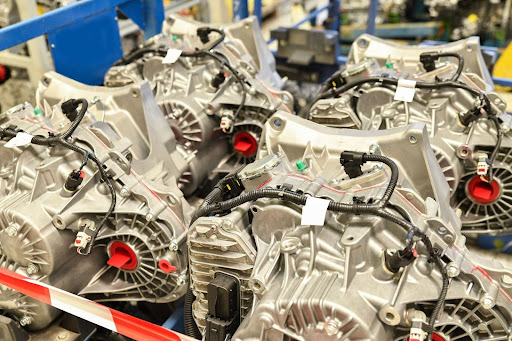
For those seeking a JDM Toyota transmission for sale, the value proposition centers on acquiring a factory-original component with relatively low operational hours at a fraction of new pricing. These transmissions arrive as complete assemblies, eliminating concerns about mixing incompatible internal components or relying on aftermarket parts of questionable provenance.
The compatibility consideration requires careful attention to specific model years and engine configurations. Toyota has manufactured numerous transmission designs across their extensive vehicle lineup, with variations in gear ratios, valve body configurations, and electronic control systems. Professional suppliers maintain detailed compatibility databases that match transmission specifications to specific vehicle applications, ensuring proper fitment and operational characteristics.
Mileage and Condition Considerations
Understanding the context of component mileage requires perspective on typical Japanese vehicle usage. The average Japanese driver accumulates approximately 6,000 to 8,000 kilometers annually, substantially less than North American averages of 20,000 kilometers or more. A transmission listed with 50,000 kilometers from a Japanese domestic vehicle may represent only three to four years of gentle urban driving with regular maintenance intervals.
Japanese transportation infrastructure emphasizes smooth, well-maintained roadways and efficient traffic management systems. These conditions reduce the mechanical stress that transmissions experience during operation. Combined with Japan’s temperate climate in major population centers, components avoid the extreme temperature cycling and harsh environmental conditions common in many North American regions.
Documentation standards in the Japanese automotive industry provide additional assurance regarding component history. Vehicles undergo detailed record-keeping throughout their operational life, and reputable importers verify mileage claims through multiple sources before listing components for sale. This transparency helps buyers make informed decisions based on actual component condition rather than speculation.
Installation and Integration Factors
Successful transmission replacement involves more than simply swapping mechanical components. Modern vehicles incorporate electronic control modules that communicate with transmission systems, managing shift points, torque converter lockup, and adaptive learning functions. When installing any replacement transmission, technicians must address these electronic integration requirements to ensure proper vehicle operation.
Japanese Domestic Market transmissions designed for equivalent Toyota models typically share fundamental architecture with North American versions, though minor variations may exist in sensor configurations or connector types. Experienced installation technicians familiar with both market specifications can address these differences through proper adaptation techniques, ensuring seamless integration with existing vehicle systems.
Fluid specifications represent another critical consideration. Toyota engineers specific transmission fluids formulated to work optimally with their hydraulic systems and friction materials. Using correct fluid types and following proper fill procedures ensures the replacement transmission operates within its designed parameters, maximizing longevity and maintaining shift quality characteristics.
Long-Term Reliability and Support
The decision to install a Japanese Domestic Market transmission should include consideration of long-term support and warranty coverage. Reputable suppliers stand behind their components with warranty programs that protect buyers against premature failure or undisclosed issues. These warranties typically cover core mechanical components while excluding wear items and failures resulting from improper installation or maintenance.
Maintenance practices significantly influence transmission longevity regardless of origin. Regular fluid service intervals, prompt attention to minor issues before they escalate, and avoiding operational practices that create excessive heat or mechanical stress all contribute to extended service life. A quality transmission properly maintained can deliver hundreds of thousands of additional kilometers of reliable operation.
The growing popularity of Japanese Domestic Market components has created an increasingly robust support network. Specialized suppliers maintain extensive inventories, offering rapid availability for popular Toyota models. This infrastructure ensures that buyers can source quality components without extended delays that leave vehicles inoperable for extended periods.
Making an Informed Decision
Selecting the right transmission replacement strategy requires balancing immediate costs against long-term value and reliability considerations. While new components offer maximum warranty coverage and assured compatibility, the substantial price premium may not align with the overall value of older vehicles or budget constraints.
Japanese Domestic Market transmissions occupy a compelling middle ground, delivering factory-original quality at significantly reduced pricing compared to new parts. For Toyota owners seeking to restore their vehicles to reliable operation without excessive expenditure, these components represent a practical solution backed by Japan’s renowned manufacturing excellence.
The key to success lies in working with knowledgeable suppliers who understand both the technical requirements of proper component matching and the importance of transparent dealing. By carefully evaluating options and ensuring proper professional installation, Toyota owners can extend their vehicles’ service life while maintaining the performance and reliability that attracted them to the brand initially.
